2026-07-14 · Dan Holt
What is the most common problem with a hot water heater?
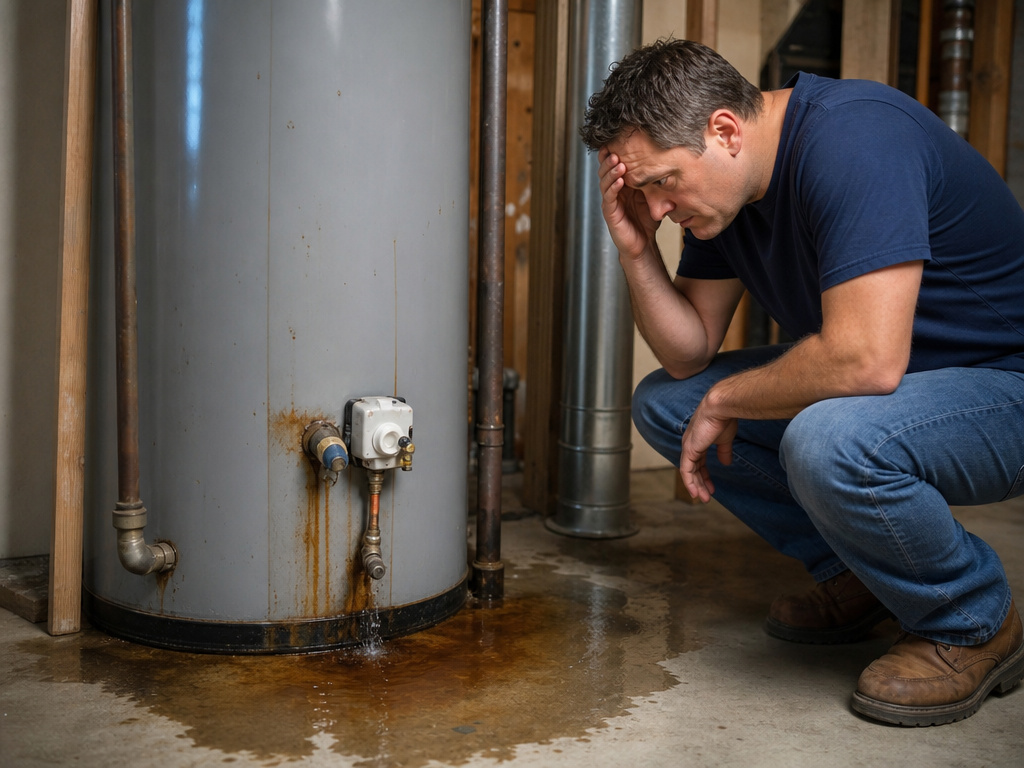
Homeowners in Marion frequently deal with inconsistent hot water or strange noises from their units. The most common problem is sediment buildup inside the tank, which accounts for the majority of service calls. This issue typically appears in 40- to 50-gallon tanks after 6-8 years and leads to reduced efficiency, overheating, and eventual leaks if ignored.
Technical Breakdown of Sediment Buildup
Hard water minerals settle at the bottom of the tank and form a layer that insulates the burner or heating elements. Over time this forces the unit to work harder, causing the dip tube to degrade and the sacrificial anode rod to corrode faster than normal. When the rod is depleted, rust attacks the tank walls directly, creating pinhole leaks that cannot be repaired.
Gas models often show a failed thermocouple as a secondary symptom once sediment overheats the burner assembly. Electric units experience burned-out lower elements surrounded by the same mineral crust. Both types lose 20-30% efficiency before owners notice higher utility bills or lukewarm showers.
How Marion's Water Quality and Climate Worsen the Issue
Marion's groundwater carries high levels of calcium and magnesium that accelerate scale formation compared with softer regions. Winter temperature swings also contribute: cold incoming water increases condensation inside the tank, which mixes with minerals and speeds corrosion. Homes in nearby Wabash report similar patterns due to identical aquifer conditions.
Utility pressure variations common in the area can stir up settled sediment, making the problem more noticeable during peak usage months. Without annual flushing, a standard 50-gallon unit reaches failure roughly two years earlier than manufacturer estimates.
Repair Versus Replace Cost Framework
Flushing and anode rod replacement typically runs $400-$650 when performed by a local plumber. Full tank replacement for a 40-gallon gas model averages $1,200-$1,800 installed, while 50-gallon electric units fall in the $1,400-$2,100 range. A reliable decision rule is the 50% guideline: if repair costs exceed half the price of a new unit of comparable capacity, replacement is the better long-term choice.
Factor in efficiency gains from a new model with thicker insulation and a longer-lasting anode. Units installed after 2015 often include better dip tube materials that resist the mineral load found in Marion water.
Preventive Maintenance Steps Homeowners Can Take
- Flush the tank annually by attaching a garden hose to the drain valve and running water until it runs clear; this removes loose sediment without special tools.
- Inspect the anode rod every 3-5 years by shutting off power or gas, draining a few gallons, and removing the hex-head plug on top; replace if less than 1/2 inch of core remains.
- Schedule a professional inspection of the thermocouple, heating elements, and temperature-pressure relief valve every two years to catch issues before leaks develop.